
For Europe, it is a strategic move to cooperate equitably with Africa and with other regions, including Latin America. Because without talent, you can’t do much.
by Marcelo Knobel
I think there are two essential components that we should put on the table.
The first is talent. We have to remember that science is not made only of resources. We also need talent to do it. And in a few years, the vast majority of the younger population will be in what we call the Global South. So, for Europe, it is a strategic move to cooperate equitably with Africa and with other regions, including Latin America. And perhaps, from a Latin American perspective, to really be able to compete in these spheres. Because without talent, you can’t do much.
The second point is communication. In my opinion, higher education institutions, scientific institutions, and science diplomacy are failing to communicate to society why science is important. Science and education, as was mentioned before, are fundamental for the future. If we don’t connect directly with the public, we are failing, because society is making political choices based on very different ways of seeing the world. As I mentioned, I come from Brazil. Next week, we will have elections there for the presidency. This is the kind of division we are seeing now: pro-science and anti-science. And it’s crazy to see this happening when we are in 2026. This is something that we should make a top priority when it comes to communicating with society—in our projects, in our way of working, and in the way we do science.
Marcelo Knobel
Marcelo Knobel is is an Argentine-born Brazilian physicist and professor who serves as executive-director of The World Academy of Sciences. He is also member of the HIAS Executive Committee.
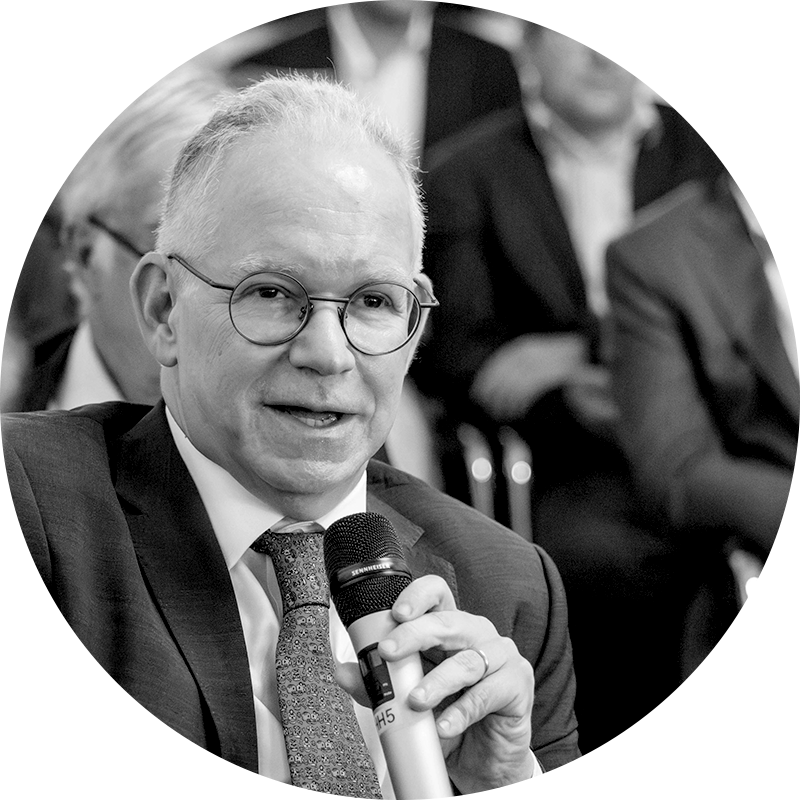
Image Information
Portrait: © Elio Germani 2026