
Institutes for Advanced Study have a natural tendency to practice science diplomacy.
by Christian Suhm
A couple of months ago, HIAS joined the EU Science Diplomacy Alliance. From the European angle, and with respect to the recently published and adopted European Framework or Science Diplomacy, it seems worthy to highlight two aspects of the science diplomacy work that Institutes for Advanced Study on our continent do.
First, when it is about strengthening Europe as a powerful and dynamic player in the competitive global game for the advancement of science and research, one should take into account dozens of Institutes for Advanced Study in Europe as the ideal places where science diplomacy is already well-placed and deeply rooted in the institutes’ charters. The institutes perfectly fit the European Framework’s appeal to diplomacy in science as the fourth notional pillar of the concept of science diplomacy, and to conceiving of science diplomacy as a craft and practice.
Second, Institutes for Advanced Study have a natural tendency to practice science diplomacy not only against the backdrop of a politically turbulent landscape in which only a few competing poles in a multipolar world exist, but also at levels where mutual understanding and the willingness to cooperate are essential, and science and research are not dependent on political uncertainties. Both practices are not easy to realize and come at a cost.
The stability of European institutes of advanced study, their expertise in and their capacities for science diplomacy, need to be acknowledged and should be emphatically on the EU’s agenda for supporting and advancing science and diplomacy.
On the other hand, funders and stakeholders of Institutes for Advanced Study are to be further sensitized to the needs of institutes of advanced study for utmost academic freedom, diversity of research cultures and methods, and the priority of fundamental and open-ended research over political or societal demands. It is only under such conditions that diplomacy in science flourishes, and may help recall the most noble traits of Europe’s academic and scientific history.
Christian Suhm
After serving for 15 years as the Academic Manager of the Alfried Krupp Wissenschaftskolleg Greifswald, Christian Suhm has been the Secretary-General of HIAS since 2025. Dialogue between diverse international academic cultures is at the heart of his work.
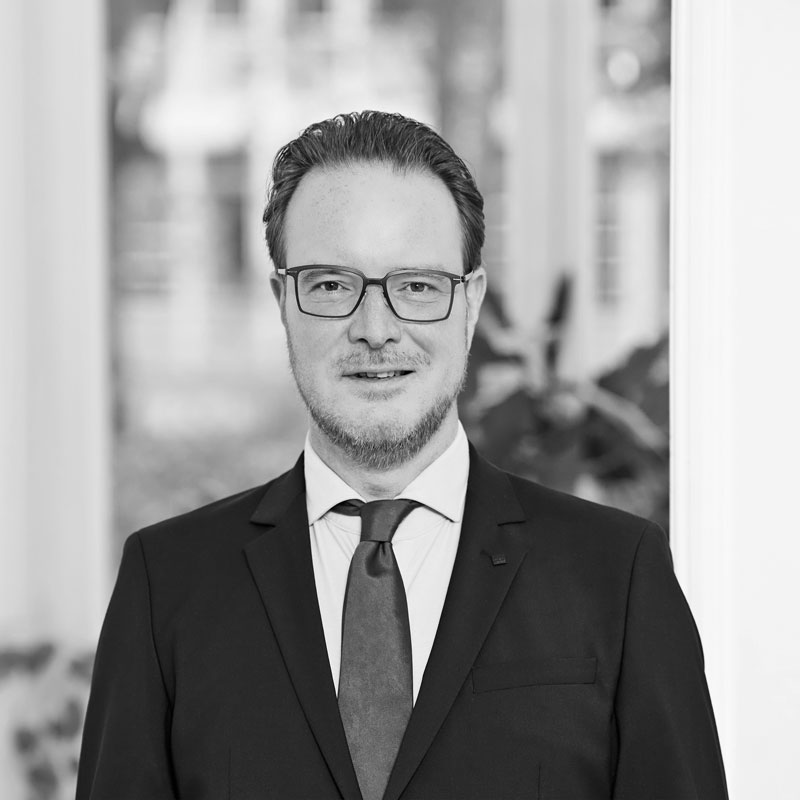
Image Information
Portrait: HIAS/Claudia Höhne