
“Did I understand you correctly?”
“When family, law, state, and religion all intersect, there is often debate and even conflict over private lives, policy and politics, and understandings of justice and order. In this week-long workshop participants from a wide variety of societies discussed and refined their research projects, each one focusing on a very particular case (India, Qatar, China, Lebanon, Egypt, Turkey, and Iran all were discussed) but attempting to understand and convey the broader implications of struggles over how states and religion guide and regulate family life.
The participants were not merely from diverse countries but from countries that have been recently in armed conflict. While it sometimes seemed we were operating in an oasis, I think just the opposite is the case: we live in such an interconnected world that forging scholarly networks and links—ones every bit as real as the conflicts in the headlines—are one critical ingredient in building a common future. In that regard, the summer school was a true example of science diplomacy in action.”
Nathan Brown, HIAS Alumnus & Summer School Leader 2026
Closing Remarks by Nadjma Yassari
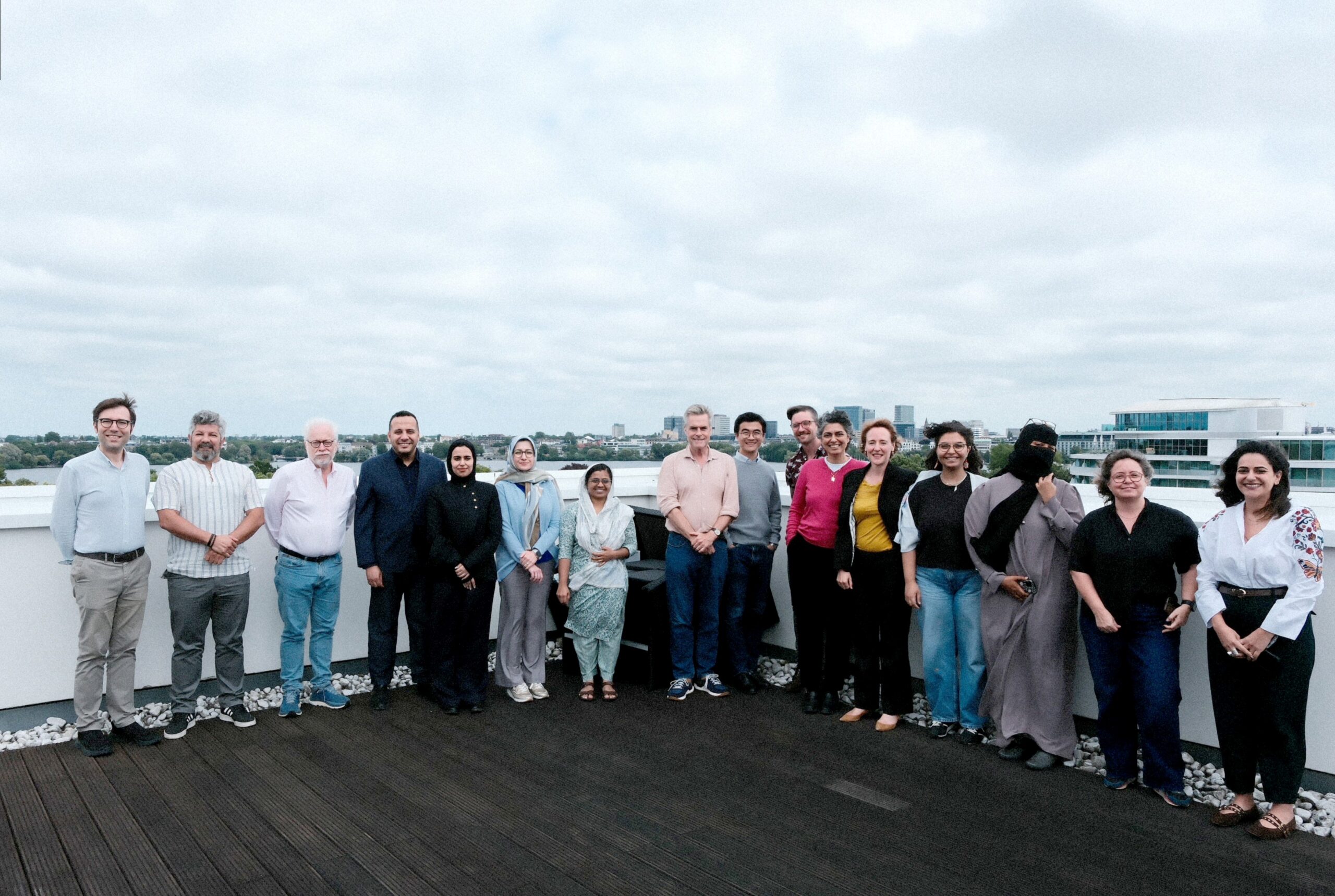
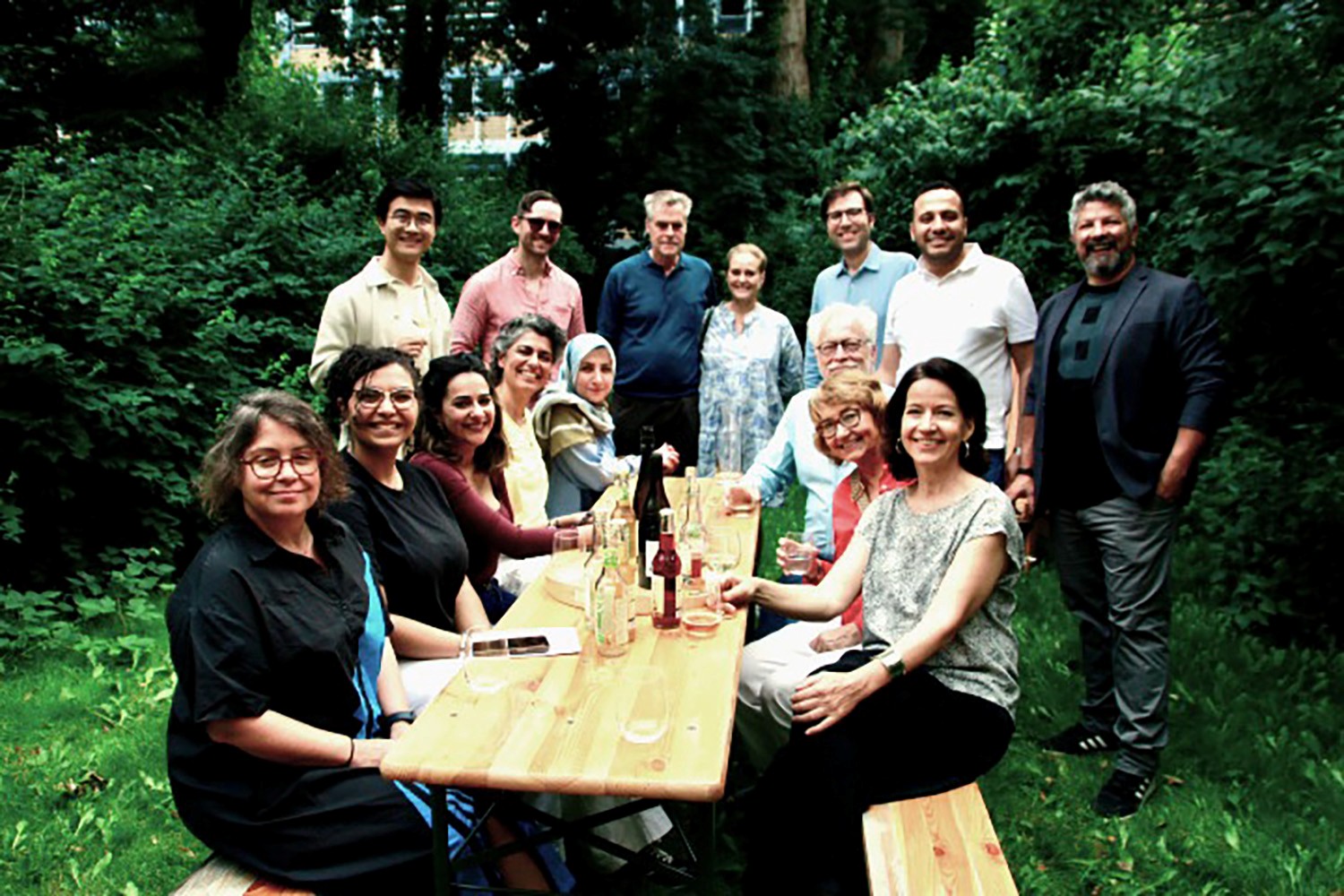
A week ago, many of the Summer School participants had never met. By the end of the week, they had exchanged ideas on comparative law, discussed different legal systems and engaged in conversations that reached well beyond the individual presentations.
In her closing remarks, Nadjma Yassari reflected on the development of these exchanges. “Did I understand you correctly?” had become a recurring question during the week – and, in many ways, a fitting expression of what comparative law is about.
Comparative law, she emphasised, is about much more than comparing legal rules. History, culture, language, institutions and politics all shape the ways in which different societies arrive at legal solutions. Understanding these contexts requires curiosity, openness and a willingness to question one’s own assumptions.
The Summer School offered participants the opportunity to explore these perspectives together and to engage with new ideas and approaches. Yassari encouraged them to take not only new knowledge but also new academic and professional connections with them. In a comparatively small academic world, today’s fellow participants may become tomorrow’s co-authors, reviewers or colleagues.
The closing remarks also acknowledged the contribution of the guest speakers and organisers, whose expertise, time and commitment made the Summer School possible. Yassari thanked the participants for their energy, thoughtful questions and openness to different perspectives.
The week concluded with an invitation to remain intellectually open and to continue the conversations beyond the Summer School. As Yassari put it: “You arrived looking for answers. I hope you are leaving with better questions.”
All participants and details: HIAS Summer School 2026 – HIAS